Title: Ed Youngblood's Motohistory Celebrates the World of Motorcycles
Motohistory Quiz #50: We Have a Winner!
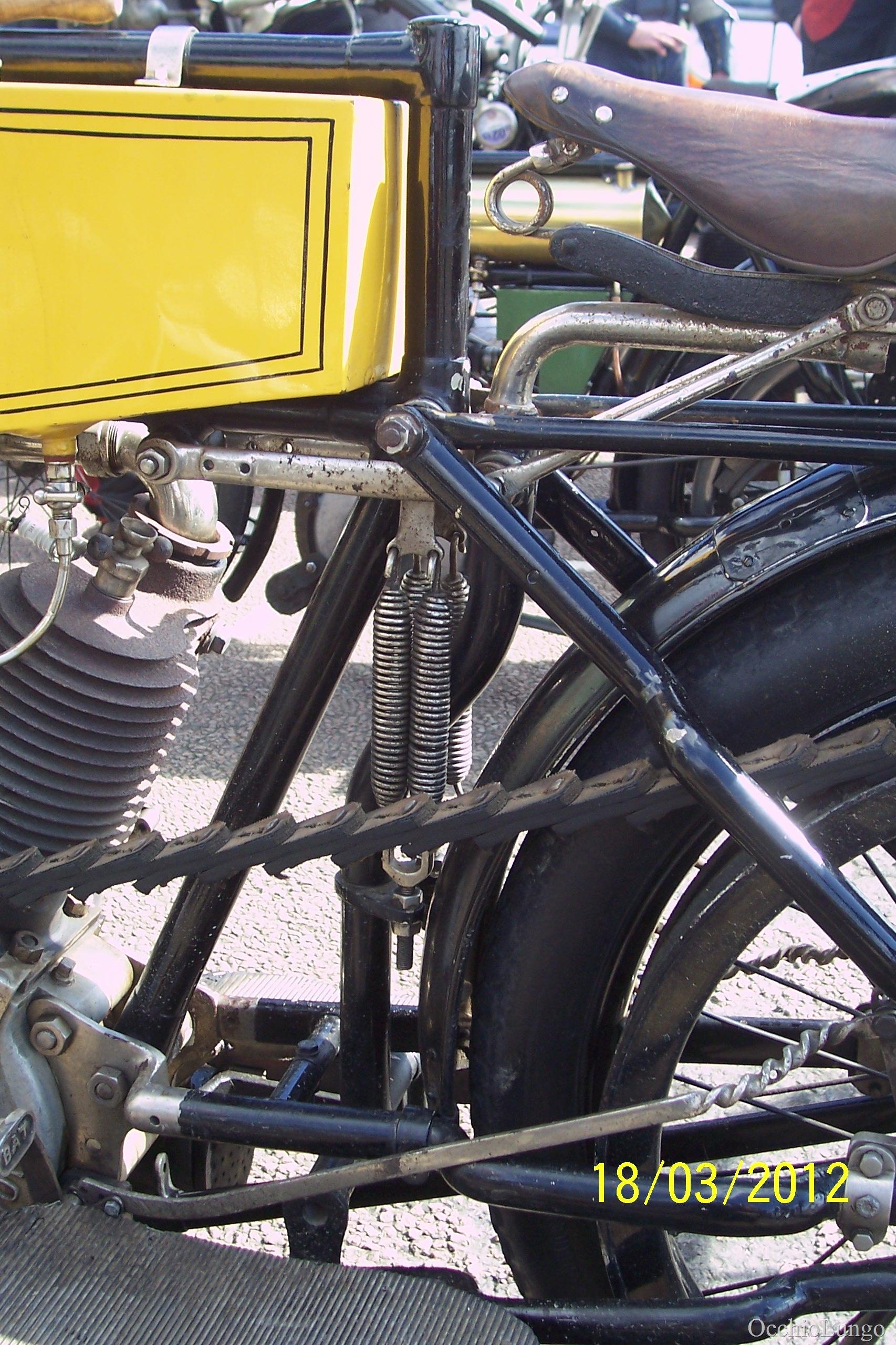
On January 31, 2008, Ed Youngblood's Motohistory quiz came to an exhilarating close as Bruce Williams, the astute enthusiast from Cortland, Ohio, emerged triumphant. With keen insight, Bruce was first to identify the engine in our Motohistory Quiz #50 as that of a Royal Pioneer, crafted with precision in Worcester, Massachusetts during the years 1909 and 1910. A rare find, given only about 500 of these masterpieces were ever built, and their production was cut short when the factory fell victim to a devastating fire in March 1910.
The Legacy of the Pioneer Motorcycle
First introduced to the world in 1901 by designer Emil Hafelfinger, the original Pioneer motorcycle displayed the classic diamond-frame single, bearing resemblance to Indian models yet distinguishing itself by having an engine that wasn't a stressed member of the frame. After disappearing from the market in 1903, the Pioneer motorcycle made a bold re-entry in 1907, boasting a larger engine complemented by front suspension.

Two years hence, the advanced Royal Pioneer rolled out, flaunting an overhead-valve engine with a hemispherical combustion chamber, and a unique exhaust system integrated into the frame. This innovative machine featured four twist grips, controlling gas, air, spark, and compression release, a testament to the pioneering spirit of its creators.
About the Overhead-Valve Configuration
Bruce Linsday, who proudly owns one of the few surviving units and displays it at the National Packard Museum in Warren, Ohio, offers insights into the revolutionary design, suggesting that tilting the valves towards the hemispherical combustion chamber would've further modernized the engine design. His reports confirm the exclusivity of the Royal Pioneer, with only a handful of complete bikes known to exist today.
The Goose Patrol by Gary Smith
A closer look at the Los Angeles Police Department reveals its significant history with motorcycles, once exclusively using Harley-Davidson bikes. However, over time, other brands, including Moto Guzzi, etched their presence into the force, transforming LAPD's fleet and paving the way for brands like Kawasaki and BMW to enter the police motorcycle market.
The MZs at Sinsheim by Ralf Kruger
The technical museum in Sinsheim, Germany, became the temporary home to an array of MZ two-stroke racing motorcycles. From early designs to the sophisticated RZ 250 works racer, the exhibition provided a panoramic view of MZ's contribution to two-stoke technology and motorcycling history.
The Mechanical Mind of Cannonball Baker, Part One
Exploring Erwin "Cannonball" Baker's ingenuity in mechanical design, his pursuit of the rotary-valve concept spanned nearly 25 years, resulting in multiple patents that aimed to revolutionize the motorcycle engine. A testament to Baker's relentless innovation, his ideas laid the groundwork for future engineering breakthroughs.
AHRMA Legends announced
The American Historic Racing Motorcycle Association honors a new roster of legends, celebrating the rich legacies of riders like Chuck Minert and Bud Ekins, pivotal figures in motocross history.
Badger is Back for Vintage
As a nod to the past with an eye on the future, the Badger Racing Association is reborn, with its focus firmly on vintage dirt track racing and preserving a cherished chapter of America's motorcycling heritage.
Ed Youngblood's Motohistory provides not just a nostalgic journey for its readers but a renewed appreciation for the art and science of motorcycle innovation. From the early advancements of the Royal Pioneer to the exceptional engineering efforts of individuals like Cannonball Baker, these stories create a vivid tapestry of the two-wheeled world, beckoning enthusiasts and wanderers alike to explore the diverse landscape of motorcycle history and culture.
Los Angeles
Kiotari
Cancun
New York
Nashville
Montego Bay
- Iberostar Selection Rose Hall Suites
- Seagarden Beach Resort
- Montego Bay Resort
- Family Resorts Montego Bay